Tornadoes have once again rendered their appearance in Florida, Texas, Ohio, Kentucky, and West Virginia. The storm, which spanned several states in the East South Central and South Atlantic regions, began on April 11, 2024. The tornado is said to have landed in St. Augustine, near Samara Lakes. Homeowners were in need of roof repairs in St Augustine, Bakersfield, and much of Central Florida after reports of tornado damage to homes and buildings. Officials have determined the wind speeds to have been between 90–100 mph, labeling the tornado an EF1.
Much like the Jacksonville Tornado incident of 2020, this recent St Johns County tornado in April 2024 serves as another reminder of how quickly severe weather can strike Florida communities with little warning. Despite early tornado watch alerts, the sudden high winds and heavy rain caused unexpected damage to roofs, fences, and trees throughout St Augustine and surrounding areas. Local homeowners now face the important task of assessing their properties, filing insurance claims, and making timely repairs to prevent further issues during Florida’s active storm season.
Storm Damage Assessment St Johns County
The full cost of damages from the St Johns County tornado April 2024 remains under review. Local residents have reported damaged roofs, downed fences, and scattered debris across neighborhoods. Insurance adjusters and county officials are working to complete accurate storm damage assessments for each affected property. This information will help residents file claims and plan necessary repairs. Staying up to date on Florida home insurance policy changes from 2022 and 2021 will help ensure a smoother claims process and better preparation for future storms.
Florida Tornado Recovery Tips
Recovering after a tornado can feel overwhelming, but a few key steps can help. First, document all visible damage with photos and videos before starting clean-up. Keep receipts for any emergency repairs or temporary housing costs. Lastly, stay connected with local recovery resources and reputable contractors nearby to avoid scams during this vulnerable time.
How to Prepare for Tornado Damage in Florida
While tornadoes in Florida are often overshadowed by hurricanes, they can cause severe localized damage. Homeowners should keep an emergency kit, secure outdoor furniture, and routinely inspect trees for dead limbs that could fall. Understanding your insurance policy is also crucial so you’re not caught off guard when filing a claim. Preparing ahead can significantly reduce storm-related costs and stress.
Roof Inspection After Tornado
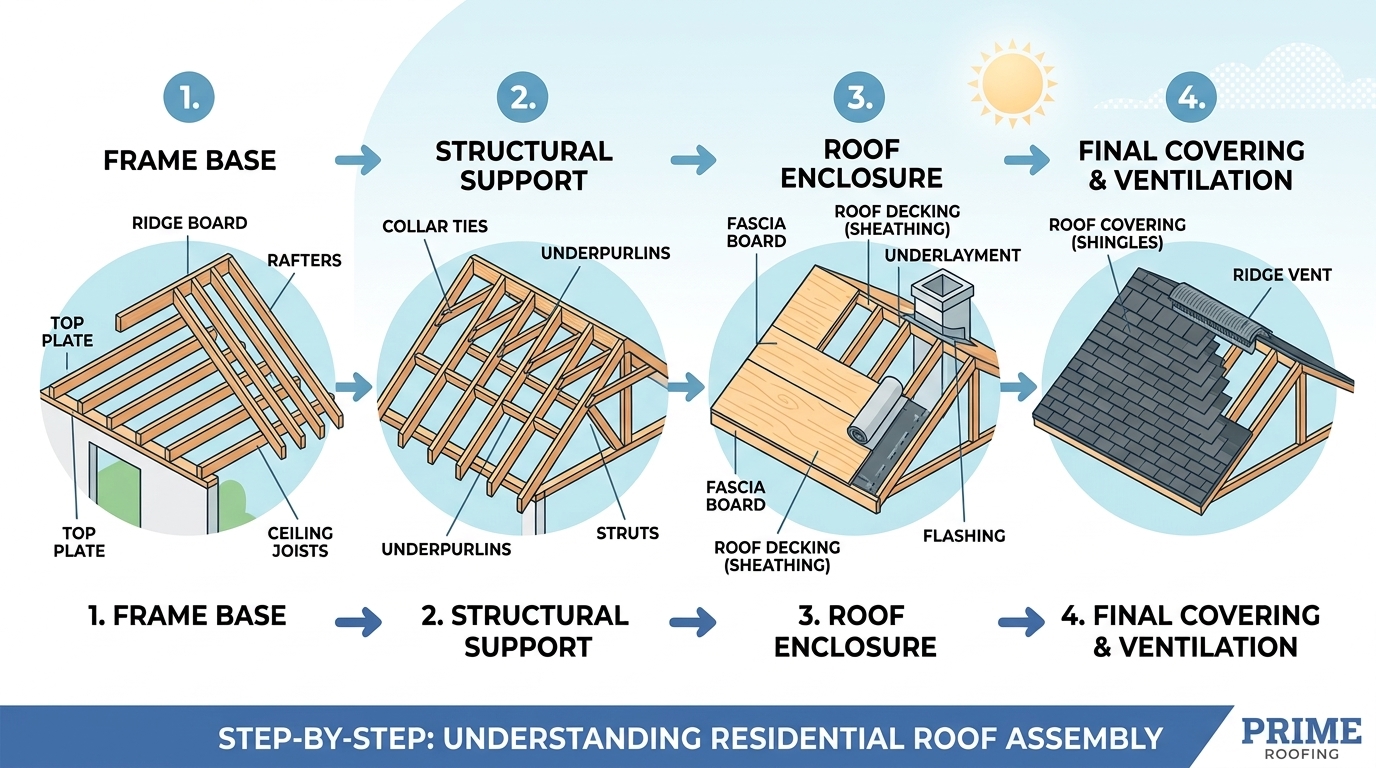
After the St Johns County tornado April 2024, local roofers recommend scheduling a professional roof inspection as soon as possible. Hidden shingle damage can lead to leaks and mold if not addressed promptly. Even if there is no obvious damage, high winds can loosen shingles and weaken flashing. A thorough inspection provides peace of mind and helps with accurate insurance claims.
Tornado Clean Up St Augustine
Cleanup crews have been hard at work in St. Augustine and surrounding areas since the tornado hit. Homeowners are advised to wear protective clothing and gloves when clearing debris. Large fallen branches or damaged trees should be handled by professional tree removal services. Safe disposal of storm waste helps prevent hazards and speeds up the neighborhood’s recovery.
Tornado Insurance Claims Florida
Filing a tornado insurance claim in Florida can be tricky if you’re unfamiliar with the process. Be sure to notify your insurance company immediately and provide them with clear documentation. Keep a written log of all communication with your adjuster and contractors. Don’t sign any repair contracts until your insurance company approves the work scope to avoid unexpected costs.
Wind-Resistant Roofing Florida
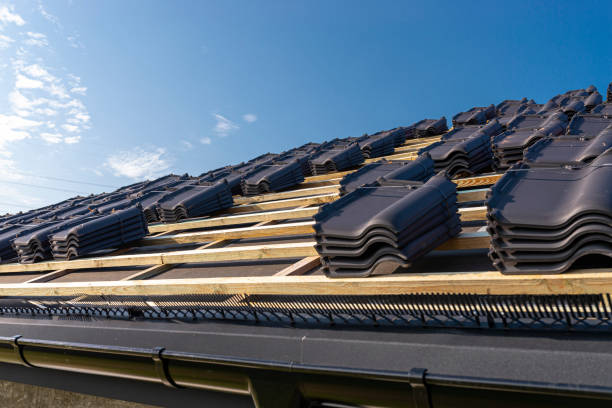
One lesson from the St Johns County tornado April 2024 is the importance of investing in wind-resistant roofing. Modern metal or architectural shingle roofs are designed to withstand high winds better than older systems. Stronger roofs may cost more upfront but often save money in the long run by reducing the frequency of storm-related repairs. Homeowners planning to replace their roof should ask their contractor about wind ratings and materials suitable for Florida’s storm seasons.
Metal Roofing for Hurricanes and Tornadoes
Metal roofing is gaining popularity in Florida because of its proven durability during hurricanes and tornadoes. Unlike traditional shingles, metal panels are less likely to lift or crack under extreme winds. Metal roofs also shed debris more easily, reducing the risk of leaks caused by trapped branches. Though installation costs are higher, homeowners appreciate the longevity and energy savings metal roofing provides.
Prevent Storm Damage to Roof
Regular roof maintenance is a key strategy for preventing major storm damage. Homeowners should check for loose shingles, damaged flashing, and clogged gutters at least twice a year. Hiring a licensed roofing contractor to perform routine inspections helps catch minor issues before they turn into costly repairs. Prevention is always more affordable than dealing with extensive storm damage later.
Tornado Preparedness Florida
Tornado preparedness is an essential topic for Florida residents. Staying informed through weather alerts and having a family emergency plan can save lives. It’s wise to identify the safest room in your house—preferably an interior room without windows. Practicing tornado drills with your family ensures everyone knows what to do if a tornado warning is issued.
Signs of Roof Damage After Storm
It’s not always easy to spot roof damage after a tornado. Look for missing or curled shingles, granule buildup in gutters, or damp spots on ceilings. Sagging rooflines can also indicate structural issues that need urgent attention. If in doubt, contact a local roofing expert to perform a detailed inspection.
How to Protect Your Home from Tornadoes
While no home is completely tornado-proof, several measures can reduce damage risks. Reinforce garage doors and windows, secure loose yard items, and trim trees regularly. Investing in impact-resistant windows and a sturdy roof can also help protect your home’s structure during high winds. Simple preventive steps can make a big difference when storms strike.
Homeowner Tornado Safety Tips
Every homeowner should know basic tornado safety tips. Monitor local weather alerts, and never ignore a tornado warning. If you hear tornado sirens or see threatening skies, seek shelter in a basement or an interior room away from windows. Having a flashlight, batteries, and a first aid kit ready can be lifesaving in an emergency.
National Weather Service Tornado Survey
Following the St Johns County tornado April 2024, the National Weather Service has been surveying damage to confirm the tornado’s path and wind speed. These surveys help improve forecasting and community preparedness. Residents are encouraged to report damage to help officials create accurate records. Better data today means better warnings in the future.
What is an EF1 Tornado
An EF1 tornado is considered moderate on the Enhanced Fujita Scale, with wind speeds between 86 and 110 mph. While not the most destructive, an EF1 can still cause significant damage to roofs, fences, and vehicles. Understanding tornado ratings helps homeowners assess the level of damage and the necessary repairs. The St Johns County tornado falls into this EF1 category.
Florida Tornado History
Florida experiences more tornadoes than many people realize, mostly due to its humid, unstable atmosphere and tropical systems. While they are often less intense than Midwestern tornadoes, Florida tornadoes can still cause substantial local damage. Past tornado events have led to improved building codes and increased public awareness. Knowing Florida’s tornado history underscores the importance of readiness and resilient construction.
Contact Prime Roofing for Storm Damage Help
If you’re concerned about roof damage after the St Johns County tornado April 2024 or simply want to upgrade to a storm-proof roofing system, the Prime Roofing team is here to help. We have served Northern Florida for over a decade and are fully licensed and state certified. Contact us today to schedule a professional roof inspection or consultation to ensure your home stays protected.