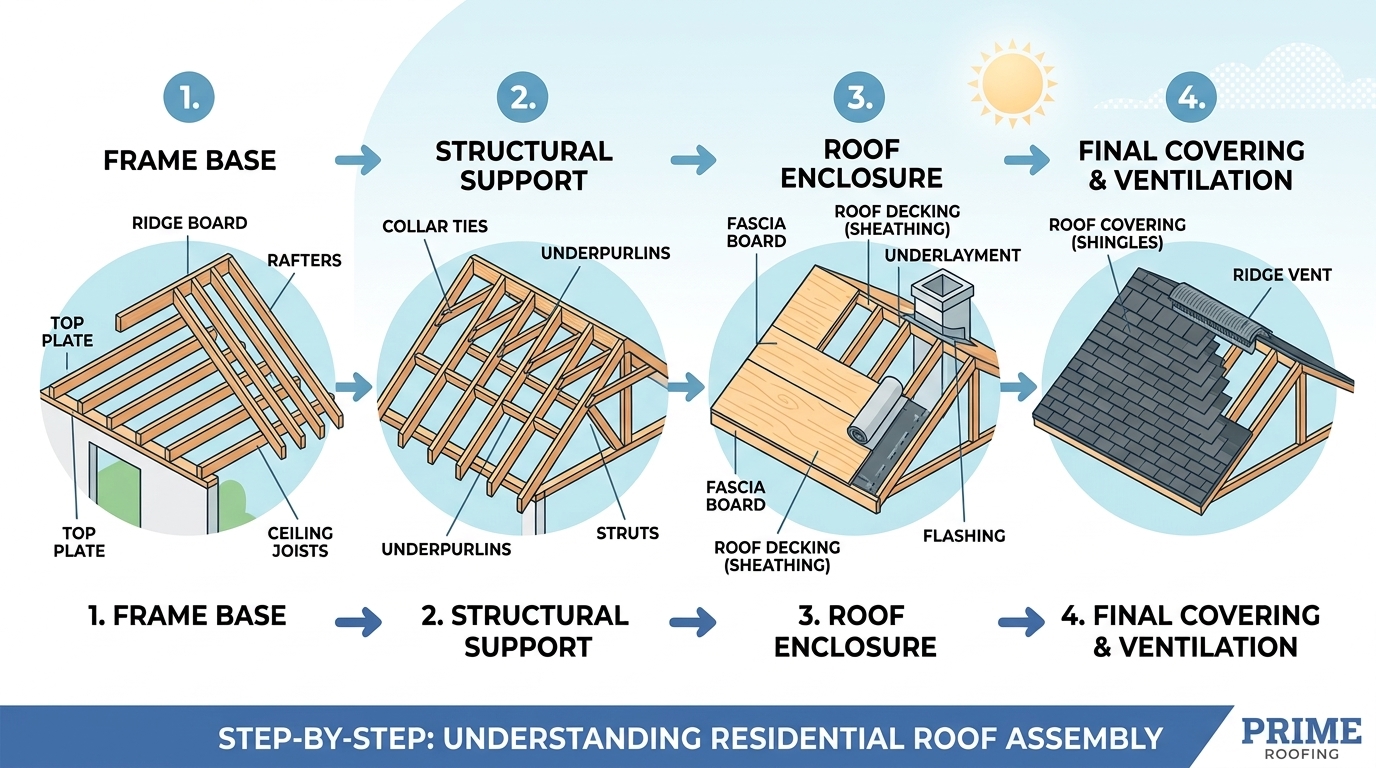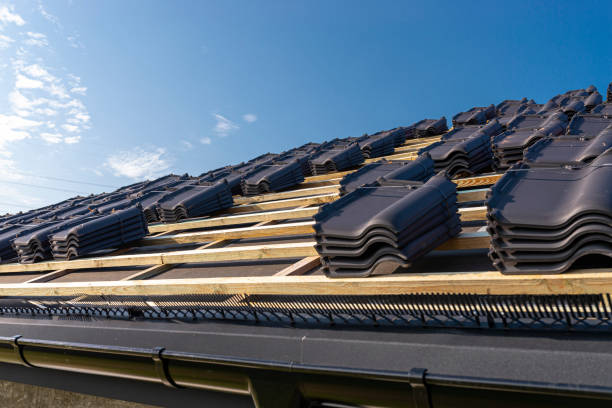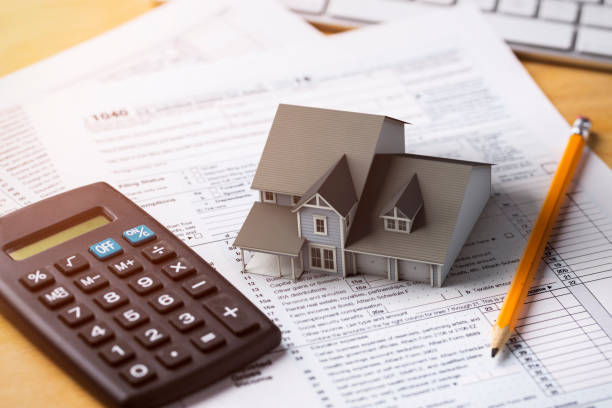
Replacing your roof is a big investment, and unlike most homeowners in Jacksonville, you’re preparing many steps ahead and wondering if there’s any financial relief when it comes to tax time. Learn all the information about a shingle roof replacement beforehand so that you can create an efficient tax plan. At Prime Roofing, we hear this question from time to time: “Is roof replacement tax deductible?”
It’s a fair question, especially with the cost of roofing materials and labor on the rise. Let’s break it down so you know exactly what to expect.
What’s the Difference Between a Repair and a Home Improvement?
When figuring out whether your roof replacement qualifies as a tax deduction, you first need to understand how the IRS looks at repairs versus improvements.
- Repairs are considered routine maintenance. Think patching a leak or replacing a few damaged shingles. These types of repairs don’t significantly add to the value of your home.
- Improvements, on the other hand, increase the home’s value or extend its useful life. Replacing an entire roof falls under this category.
The IRS refers to major upgrades like this as capital improvements. These include adding a room, replacing a roof, or upgrading the electrical system. While capital improvements generally aren’t deductible, they may offer tax benefits over time.
So, Can You Write Off a Roof Replacement on Your Taxes?
The short answer is not right away—but potentially, yes, over time or under certain conditions.
If you’re replacing the roof on a rental property or a business property, you may be able to depreciate the cost over a set number of years. For residential rentals, that’s usually 27.5 years. That means you can deduct a portion of the cost each year rather than all at once.
If it’s your primary residence, you won’t be able to deduct the cost of the roof on your annual tax return. However, that doesn’t mean it won’t benefit you later. When you sell your home, the cost of the new roof may be used to increase your cost basis, which can reduce capital gains taxes.
Example: Roof Depreciation for a Rental Home
Let’s say you’re a homeowner in Jacksonville and you replace the roof on your rental property for $12,000. Instead of writing that off in the same year, you divide it over 27.5 years.
That works out to about $436 per year in deductions—assuming the home is used solely as a rental and you follow IRS guidelines.
What About Homeowners in Florida?
If you live in Florida, roof replacements are pretty common—especially with our storm seasons. It’s good to know where you stand when tax time comes, and if you qualify for any tax benefits of a newly installed roof.
Here’s what Florida homeowners should keep in mind:
- For primary residences, capital improvements like roof replacement aren’t deductible right away. But they may help when selling your home by reducing capital gains.
- For rental or income-producing properties, roof replacement costs may be depreciated over time.
- If your new roof includes energy-efficient upgrades (like solar panels), you might qualify for a federal tax credit under the Inflation Reduction Act.
- If your roof was replaced due to a storm or covered by insurance, consult a tax professional. Insurance payouts can affect what you can or can’t deduct.
Using a Portion of Your Home for Business?
If you run a business from your home or have a dedicated home office, you might be eligible to deduct part of the cost of your roof replacement. This depends on the size of the home office and how it’s used. It’s worth discussing this option with a qualified tax professional to make sure you’re filing correctly.
Talk to a Tax Advisor Before Filing
Tax codes change frequently, and every situation is different. Whether your property is personal, rental, or part of a home business, a licensed tax professional can walk you through the best approach.
They can also help you understand how depreciation schedules work, and whether your roofing contractor costs in Jacksonville can be partially written off now or in the future.
Need a New Roof in Jacksonville, FL?
At Prime Roofing, we know that a roof replacement is a major decision—not just for your home’s protection, but also for your long-term finances. That’s why we’re committed to helping Jacksonville-area homeowners find roofing solutions that make sense for their needs and their budgets.
Whether you’re in need of a new roof, ready to schedule an inspection, or just have a few questions, we’re here to help.
Final Thoughts
So, is roof replacement tax deductible?
In most cases, it’s considered a capital improvement, not a repair—so it’s not an immediate write-off. But that doesn’t mean you won’t benefit at tax time. Understanding how roof replacement fits into your long-term financial picture can help you make smarter decisions, especially if you plan to sell your home down the road.
And if you ever need help with roofing in Jacksonville, Prime Roofing is just a call away at (904) 530-1446.