Natural slate has been used as a roofing material for centuries. It’s incredibly durable and aesthetically pleasing, so it’s easy to see why. However, thanks to advances in technology, today, synthetic slate has become just as popular as natural slate, if not even more so, as the synthetic version looks so similar to naturally occurring slate that it’s virtually indistinguishable – and it’s much more affordable.
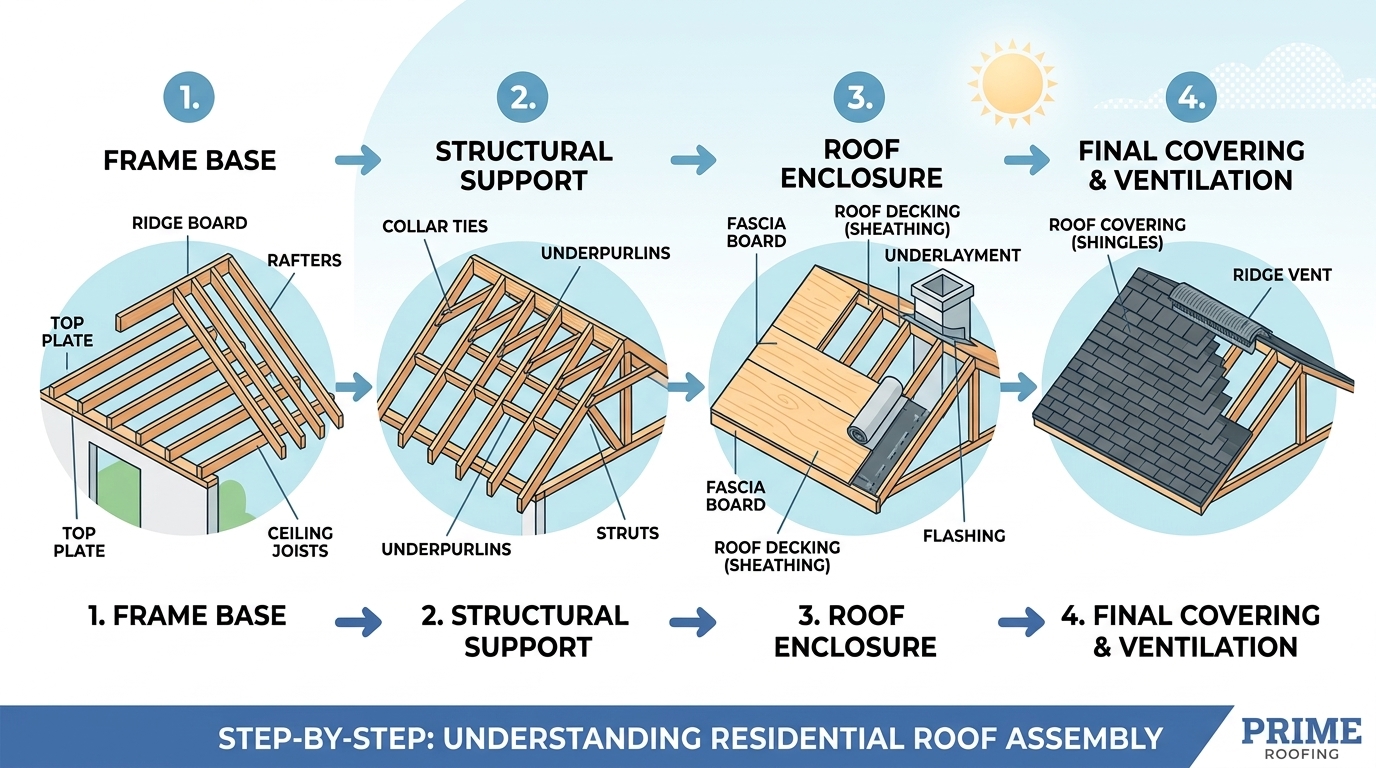
If you’re thinking about installing a slate roof, you need to decide which option to choose: natural or synthetic. But which one is better? To help you decide, below, we’ll take a look at the differences between natural and synthetic slate roofing, including how your roof’s design might affect your choice. For more insight on roof structure, check out our guide on different types of roof pitches.
What is Natural Slate Roofing?
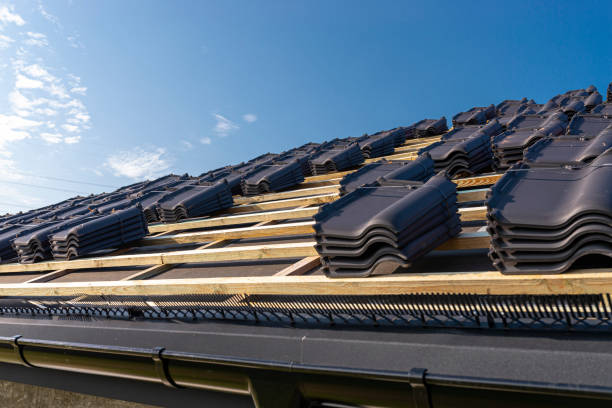
Natural slate roofing consists of tiles that are comprised of naturally-occurring, hand-split slate rock. Since the tiles are hand-split, the edges are uneven and no two look alike. It’s for this reason that natural slate roofs are beloved for their uniqueness and charm. The tiles are installed by hand and installation requires extreme precision. While natural slate roofs are undeniably beautiful and exceptionally durable, on the downside, the installation process can take a while and the price tag can be rather high.
Benefits of Natural Slate Roofing
Natural slate roofing is exceptionally durable. When properly installed and maintained, they can easily withstand extreme conditions and will look great and can last for a century or more! Since naturally-occurring slate varies in color and because slate roofing tiles are hand-hewn, the material is very versatile. You can easily create a customized roof that features slate tiles in a variety of shapes, sizes, and colors.
Disadvantages of Natural Slate Roofing
While there’s no denying the benefits that natural slate roofing offers, there are some distinct downsides. For one, because the tiles are hand-crafted and are often imported, it can take a while for all the materials to come in. Secondly, the installation process is very complex and requires incredible attention to detail, which further prolongs the process. Finally, between the materials and the installation, a natural slate roof can be exorbitantly priced.
What is Synthetic Slate Roofing?
A synthetic slate roof features shingles that are comprised of recycled materials. The shingles are modeled after slate roofing tiles and even feature chisel marks that give them a hand-crafted look. Synthetic slate roofing looks so authentic that it is almost impossible to tell that it isn’t the real deal.
Benefits of Synthetic Slate Roofing
Since synthetic slate roofing is made of recycled materials, it’s a lot less expensive than natural slate roofing. It’s also easier to obtain, the installation process isn’t as complex, and a synthetic slate roof can be installed a lot faster. This can be especially appealing if you want to update your roof while keeping up with the latest exterior roof trends for 2023.
Disadvantages of Synthetic Slate Roofing
The major downside of synthetic slate roofing is that it isn’t as durable and it doesn’t last as long as natural slate. With proper installation and maintenance, synthetic slate is purported to last around 75 years; however, this has yet to be verified with real-world data, as it is fairly new to the market, so there’s no way to determine how long it actually lasts. That said, extensive research has gone into the development of this material, but there’s no way to accurately determine exactly how long it lasts.
If you’re comparing materials, understanding the cost of roof repair in Florida can help you budget wisely for maintenance and unexpected damages. Also, when investing in a new roof, be sure to ask your contractor about the process of transferring your roofing warranty to protect your investment.
Conclusion
Pros and cons are associated with both natural and synthetic slate roofing. The right option for you really depends on your specific needs, budget, and style preferences. Here in Jacksonville, Florida — where the coastal climate can bring heavy rain, high humidity, and salt air — it’s especially important to choose roofing materials that offer excellent durability and weather resistance. Slate roofs, whether natural or synthetic, can handle our region’s unique conditions while adding timeless curb appeal.
Additionally, investing in a new roof could come with some financial perks. Be sure to explore potential tax benefits of a new roof that may help offset your costs.
If you’re planning a new slate roof for your Jacksonville home, our team at Prime Roofing is here to help you make the best choice for lasting performance and style. While you’re considering your options, why not enjoy some local charm? Check out things to do at the Jax Beach Pier or discover 8 celebrities who call Jacksonville, Florida home.
Contact Prime Roofing today at (904) 530-1446 for expert advice and quality slate roofing installation across Jacksonville and Northeast Florida.