Can You Replace a Roof in Cold Weather?
As winter settles in across much of North America, many homeowners come to a frustrating realization: their roof is leaking, damaged, or nearing the end of its life. The urgent question arises—can you replace a roof in cold weather? Fortunately, the answer is yes. Even in winter, roof replacement can be done, provided that specific precautions are taken.
If you’re reading this article, chances are you live in Jacksonville, Florida, where temperatures rarely dip below 45°F during winter months. That’s great news—roof installation in winter here isn’t much different than during spring or summer. However, for those living in colder northern states, winter roofing presents unique challenges that only experienced contractors can handle safely and effectively.
Winter Roofing in Colder Climates
Most roofing companies in northern climates pause operations during the coldest months because cold weather roof installation can be more dangerous and technically demanding. But for homeowners with urgent needs—or for new construction—some contractors do continue working. These cold weather roofing contractors often save the day for homeowners in distress, keeping both clients and crews protected from worsening damage or job delays.
Working through winter allows these companies to retain skilled staff and maintain momentum when others shut down. However, roofing in cold weather does require extra planning and care to avoid compromising the quality of the installation.
Staying Safe While Roofing in Winter
Safety is paramount for any roofer, but winter roofing safety involves specific considerations:
- Snow and Ice Risks: Ice and snow make surfaces slippery. Roofing crews must use high-traction shoes and ladder safety gear to avoid slips and falls.
- Fall Protection: Roofers should be tethered securely with harnesses and safety lines in case of a slip.
- Cold Exposure: Keeping warm is critical. Wearing layered clothing and winter roofing gloves helps protect against cold-related injuries without sacrificing dexterity.
Even tools like nail guns can jam more frequently in freezing temperatures, and roof shingles can become brittle, increasing the likelihood of breakage. All of these factors must be taken into account.
Cold vs. Warm Weather Roofing: What’s the Difference?
One major consideration when determining can you reroof in cold weather is how materials behave at lower temperatures. Asphalt shingles, the most commonly used roofing material, typically have a self-adhesive strip that relies on warmth from the sun or ambient air to activate. In temperatures below 40°F, this adhesive doesn’t function properly.
That’s why roofers in colder regions often supplement or replace this bonding method with roofing cement to secure shingles. In Northeast Florida, where daytime highs often remain above 40°F even in winter, this issue is minimal—another reason winter roofing here is generally smoother.
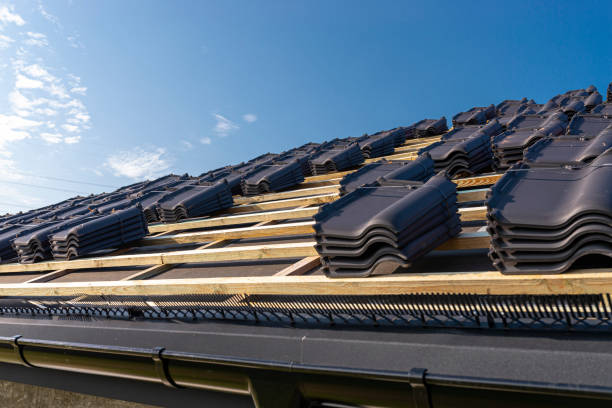
Another important concern is storage: shingles should be kept flat in a warm environment to prevent cracking. Roofers working in cold conditions need to plan ahead, making sure all materials are acclimated and tools are functioning.
Tips for Homeowners Considering a Winter Roof Replacement
If you’re considering roof replacement in winter, here’s what you should know as a homeowner:
- Ask About Cold Weather Protocols: Your roofing company should be able to explain what steps they take to ensure safety and proper shingle installation in low temperatures.
- Verify Material Handling: Make sure they are storing roofing materials appropriately and using cold weather adhesives when necessary.
- Be Patient: Crews working in winter may face delays due to frost, wind, or icy conditions. Your understanding and patience go a long way in ensuring a safe and thorough job.
The Jacksonville, FL Advantage
Living in Jacksonville gives homeowners a clear advantage. While residents of colder states must worry about adhesive issues, worker safety in extreme cold, and potential delays, roofing during winter in Northeast Florida is typically business as usual. Roofing projects can proceed efficiently, and modern materials still perform well within the region’s mild winter temperatures.
Final Thoughts: Can You Replace a Roof in Cold Weather?
Yes—you can replace a roof in cold weather. The key is working with a contractor who understands the season-specific considerations, uses the right techniques and materials, and prioritizes safety. In Jacksonville and surrounding Northeast Florida areas, winter is still a great time to get your roof replaced, especially if damage can’t wait.
About Prime Roofing
Prime Roofing is a top-rated Jacksonville FL roofing company. We specialize in residential roof replacement and offer free inspections for homeowners in Jacksonville, St. Augustine, the Beaches, and other parts of Northeast Florida.
- Company Address: 3500 Beachwood Court Suite 207, Jacksonville, FL 32224
- Phone: (904) 530-1446
- Opening Hours: Monday to Friday (8AM—5PM)